Most people walk a plot once, at whatever hour the agent was free. That is roughly as useful as tasting one grape and buying the vineyard.
Go back at four in the afternoon
On this coast the afternoon is when a site tells the truth. Morning light is flattering everywhere. By four you learn whether the neighbouring ridge throws a shadow across your terrace, whether the wind picks up off the water, and whether the road below carries sound uphill.
If you can only make one visit, make it late.
Find where the water goes
Terraced hillsides move water in ways that are not obvious in August. Look for the dry channels cut into the retaining walls, and follow them. If they all converge on the corner where you were imagining a pool, that is worth knowing before the drawings start.
Old dry-stone walls are usually a good sign. They have survived a century of winters, which tells you more about the drainage than any survey.
Count the mature trees
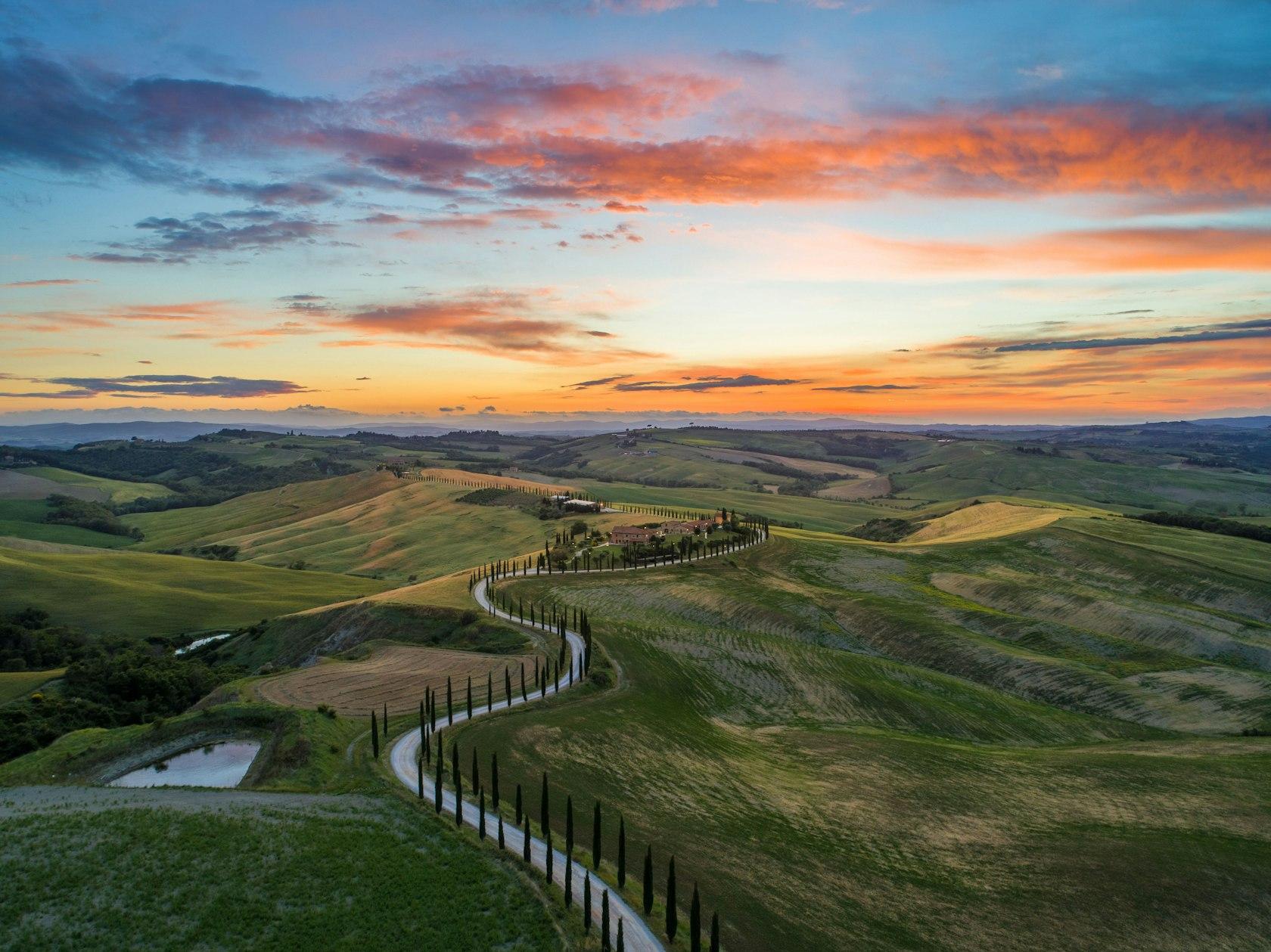
A house takes eighteen months. A forty year old olive takes forty years. Plots that already carry mature planting are worth a premium that is rarely reflected in the asking price, because the alternative is either waiting or paying a great deal to move semi-mature specimens and hoping they take.
Ask what the consent actually permits
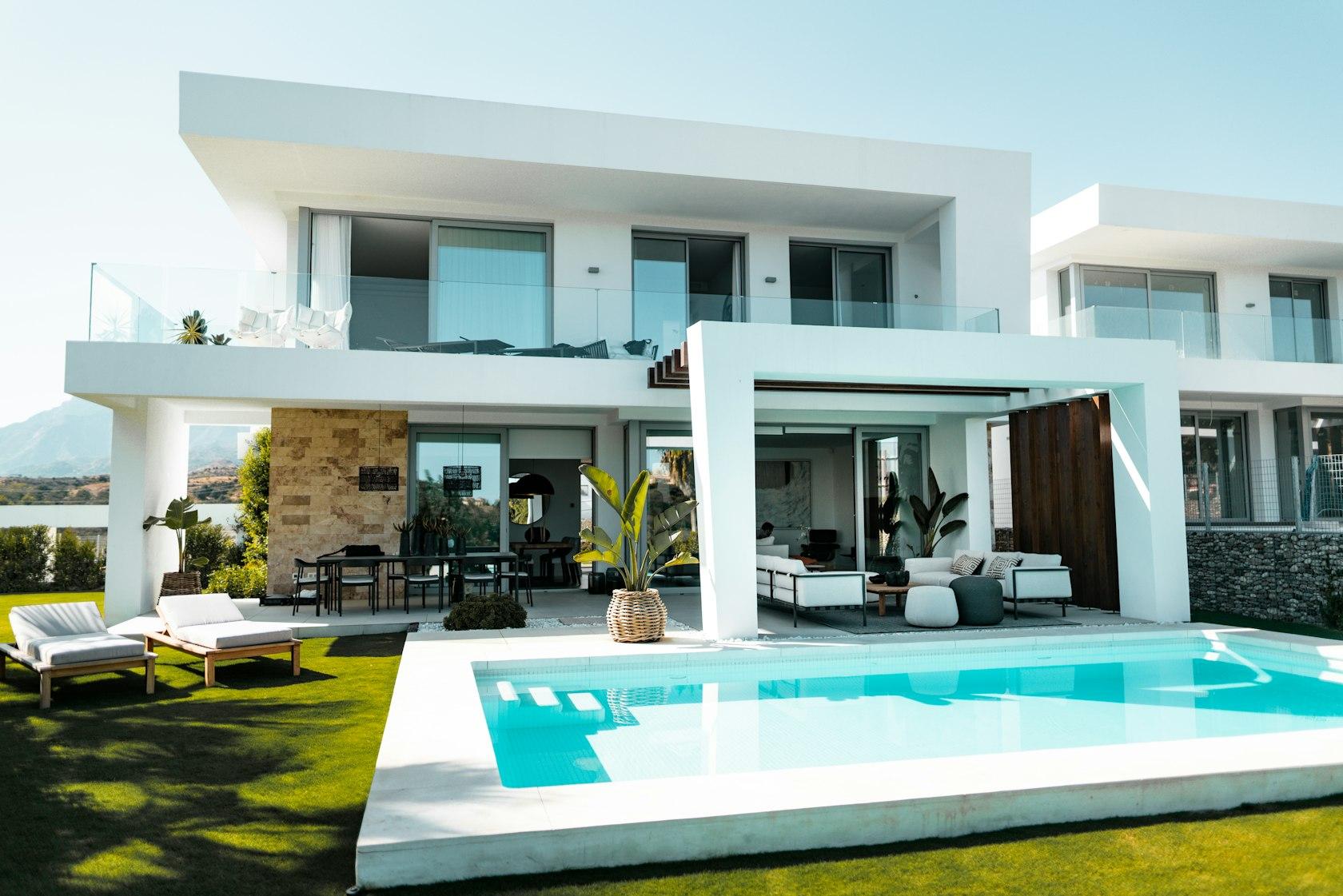
Height, roof pitch, boundary planting and sometimes the colour of the render are all governed in the protected quarters. A plot advertised as suitable for a large villa may permit a large villa of a very specific shape. Get the constraints in writing before you commission anything.